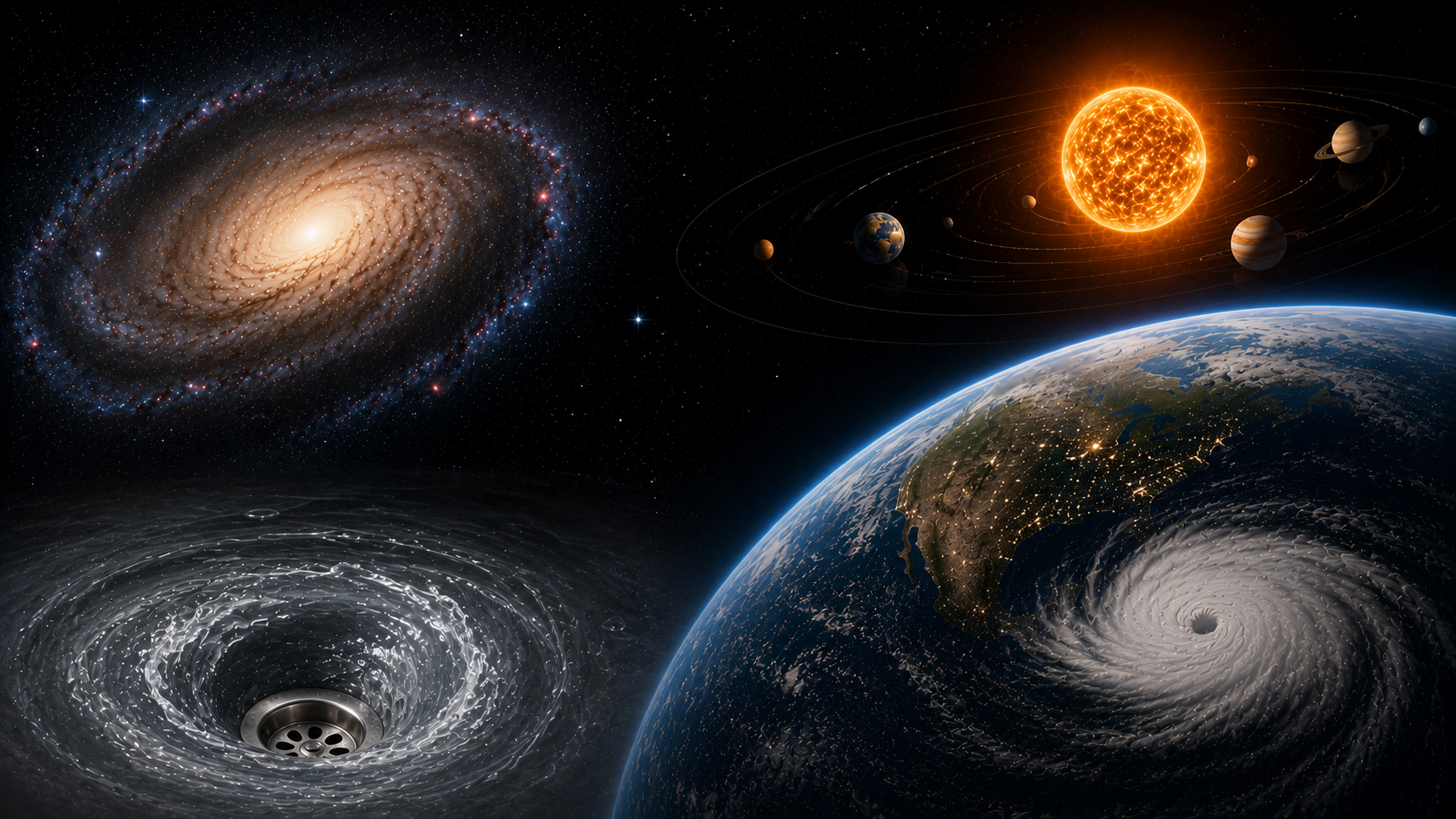
Conservation of angular momentum explains why galaxies, stars, and figure skaters spin. But the water in your sink does NOT spin differently by hemisphere — that's a myth. Here's the real physics.
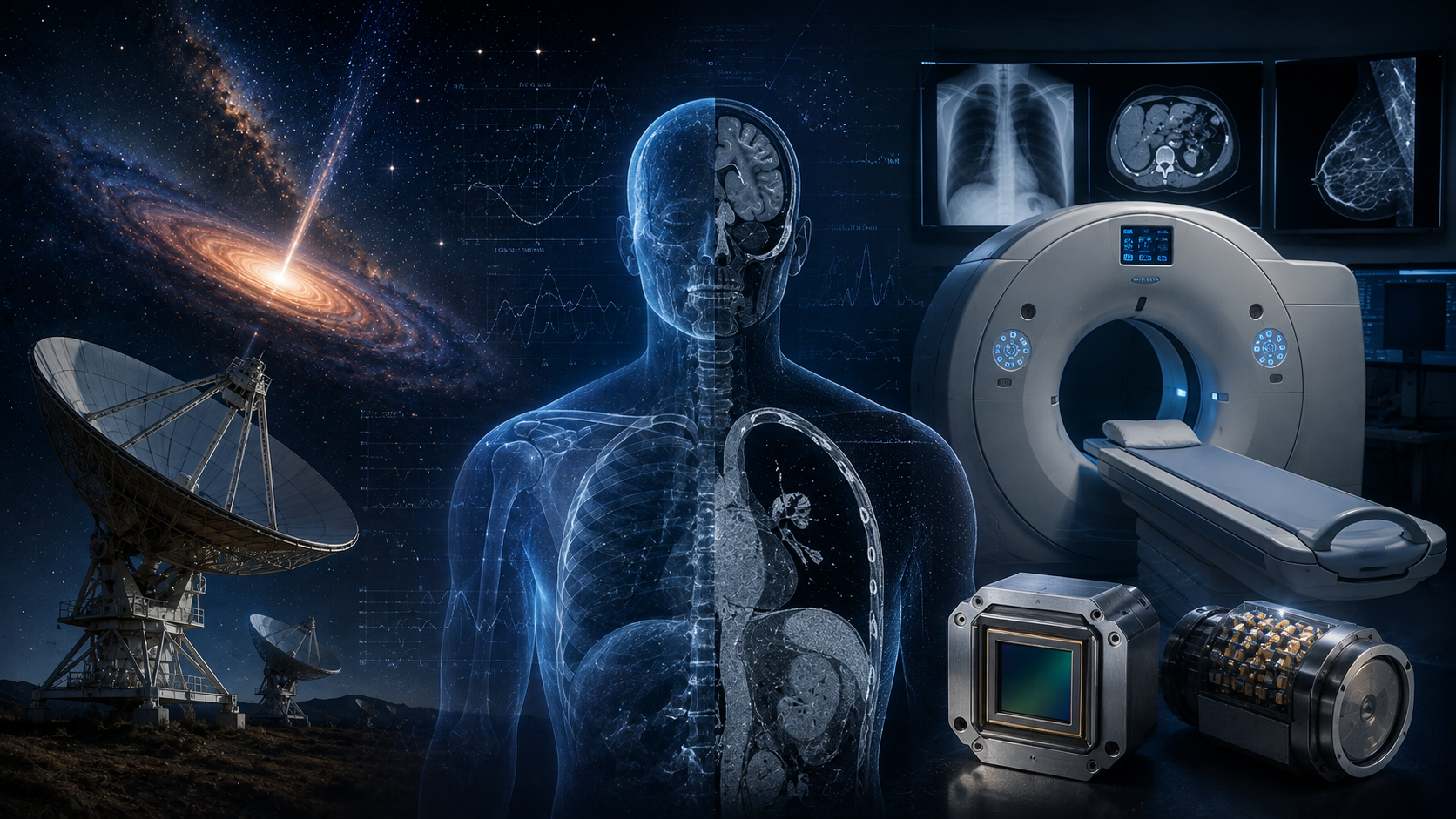
Gamma-ray detectors that track black holes also locate tumors. A CCD born to observe stars now sits in every dental X-ray. The real relationship between astronomy and medicine, without the myths.
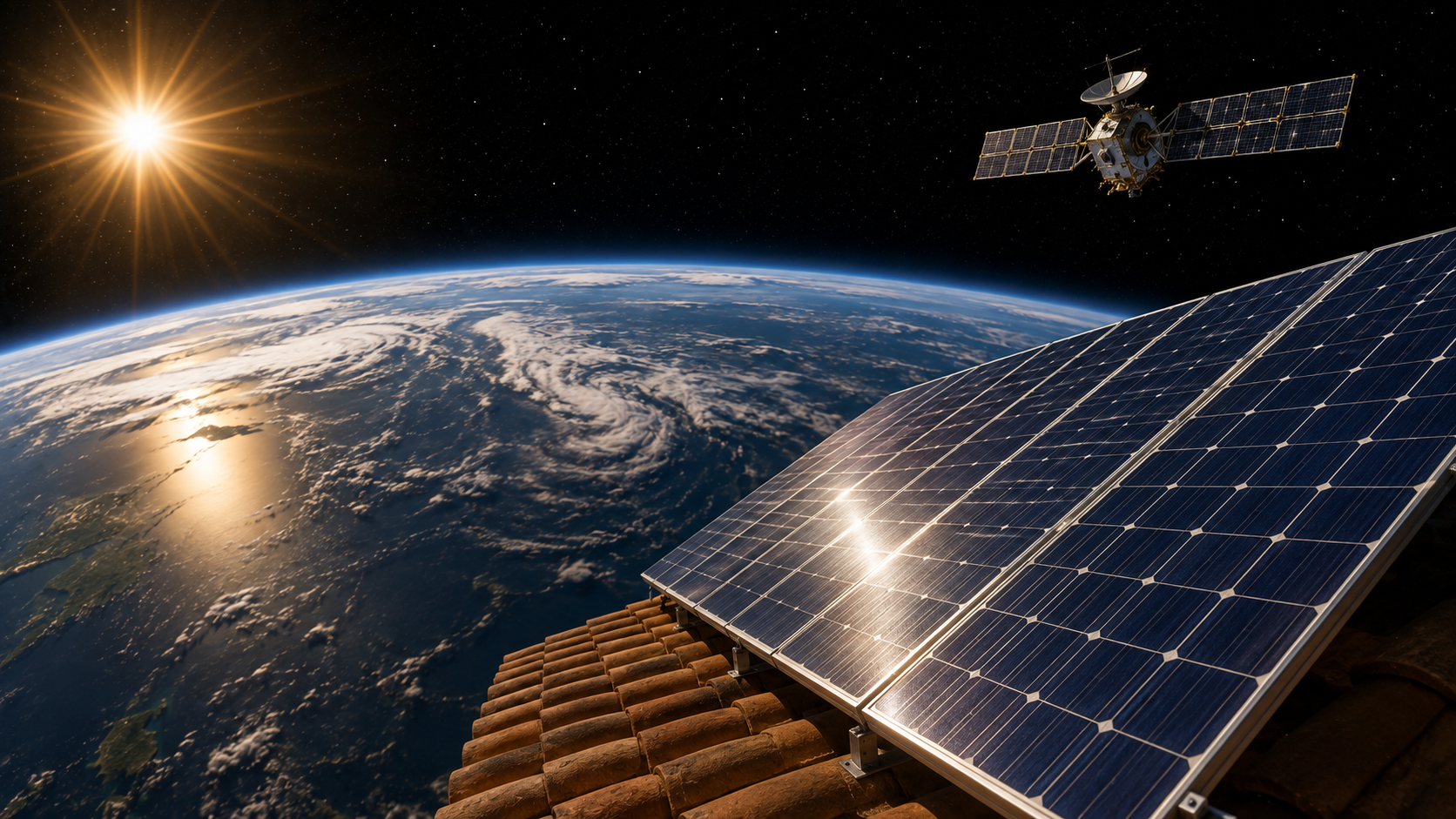
The photovoltaic effect was discovered in 1839 and nearly shelved as expensive and impractical. It was the Vanguard 1 satellite, in 1958, that gave the solar cell its first real market.
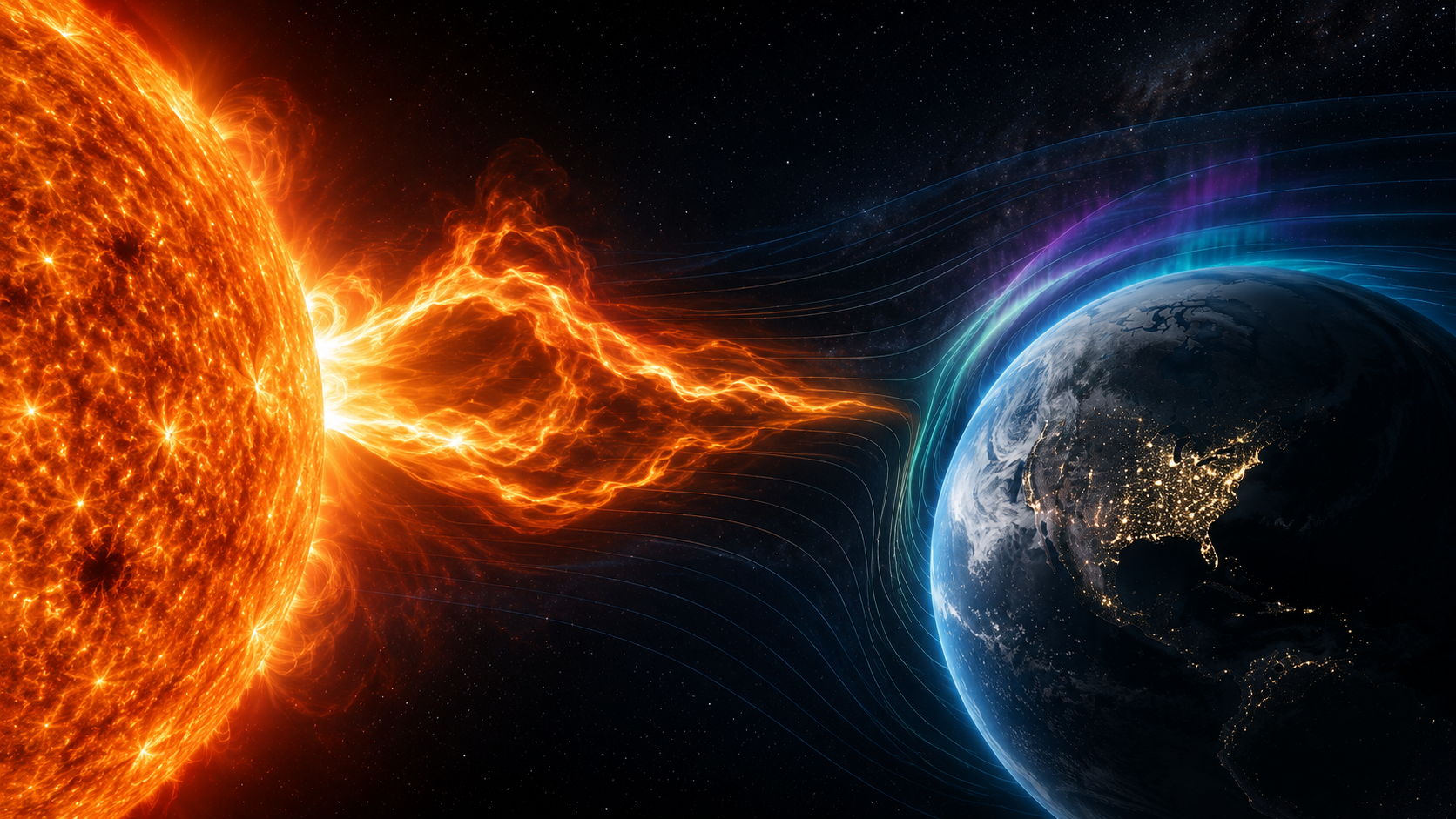
From the 1859 Carrington Event to the 1989 Quebec blackout — how a solar storm can fry electrical transformers, and how solar astronomy became civil protection.
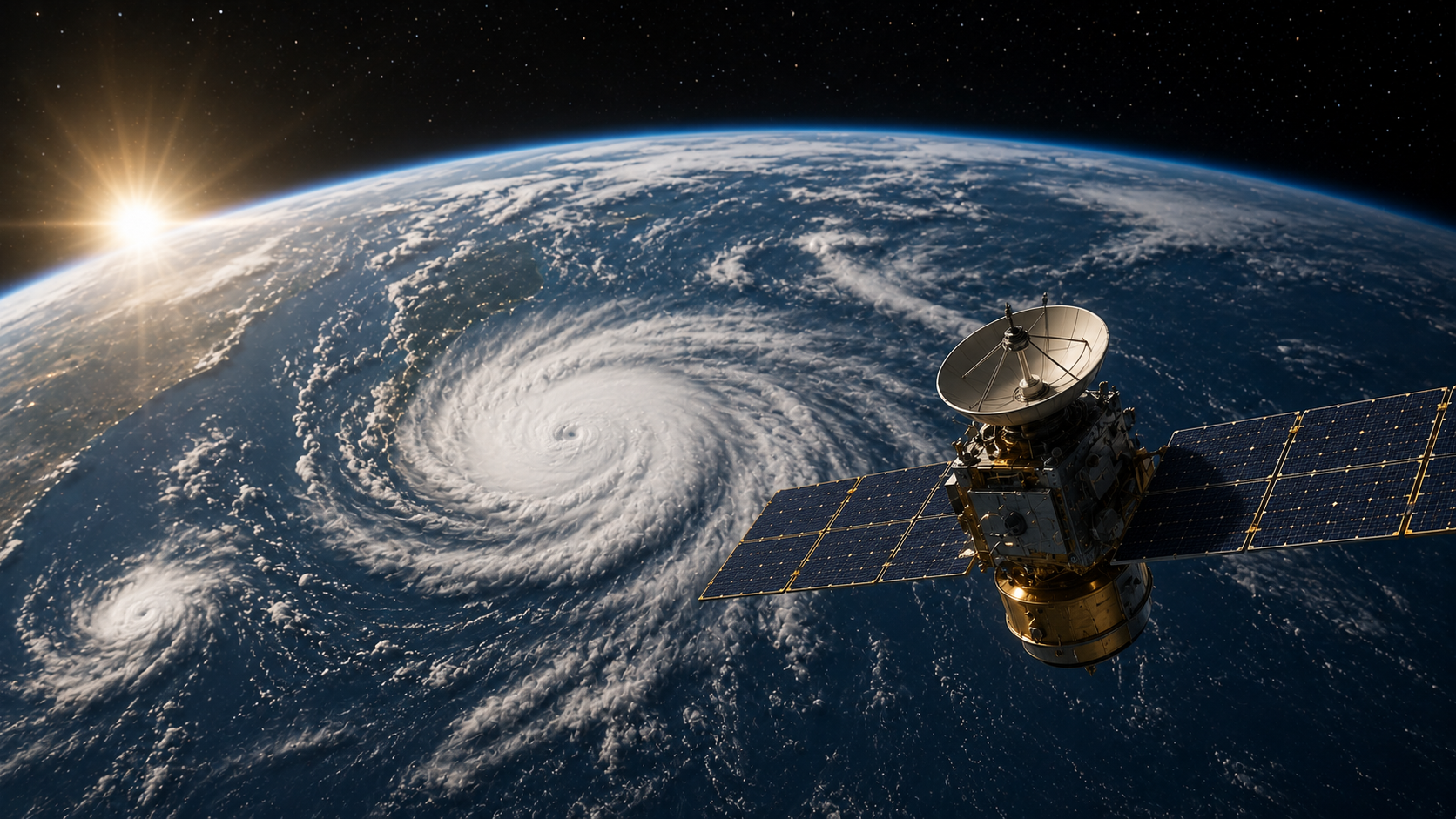
rom TIROS-1 in 1960 to the "quiet revolution" of numerical weather prediction — how weather satellites made forecasting reliable, gaining a full day of accuracy every decade.
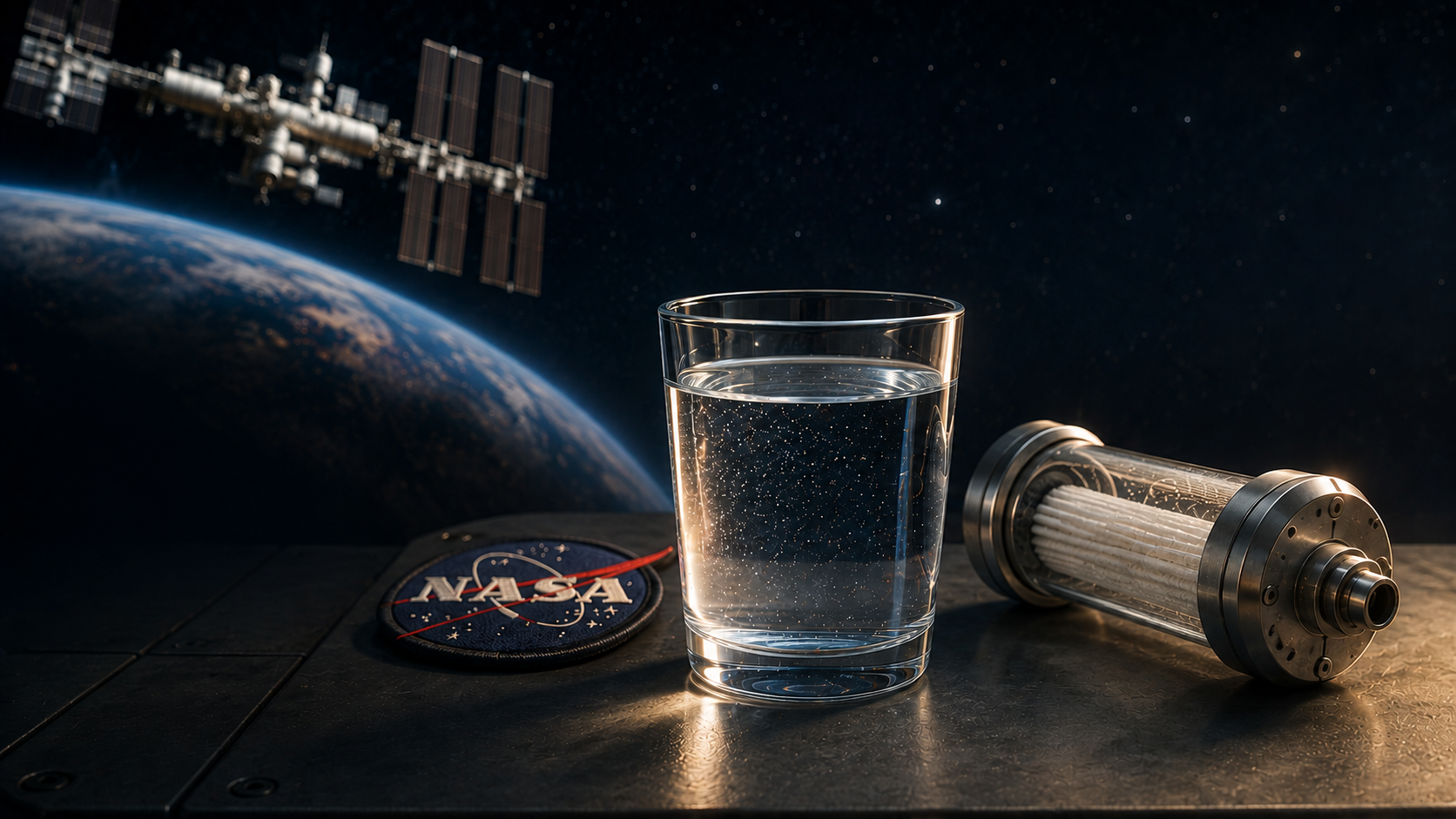
Discover how NASA and space agencies achieved a 98% water recovery rate on the ISS, and how this space-derived technology now provides clean drinking water across Earth.
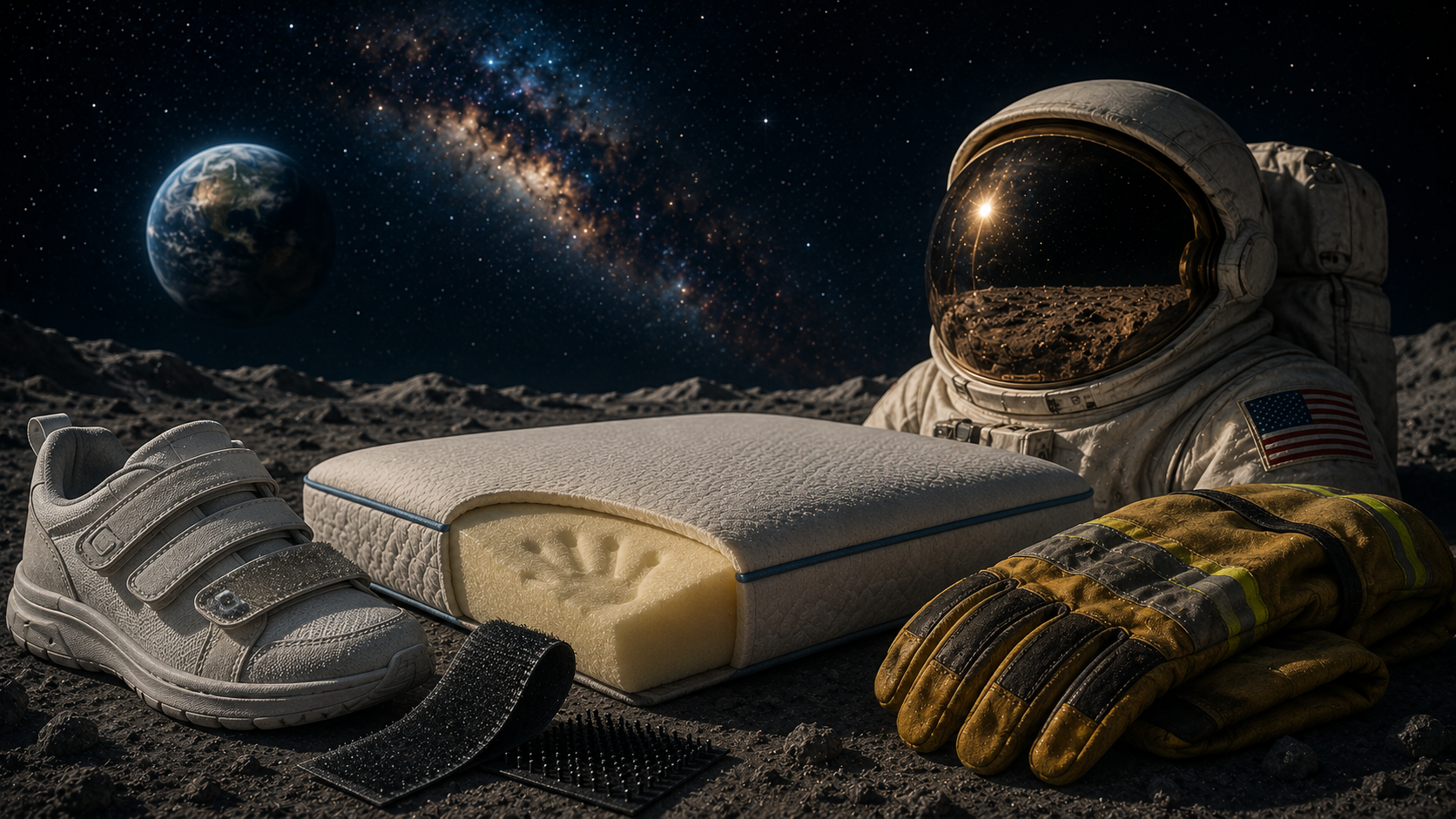
Velcro, memory foam, and space suits stitched by Playtex seamstresses. The true, accurately credited story of how vacuum engineering reached your bed and sneakers.
GPS satellites gain 45.7 microseconds a day from gravity and lose 7.1 from speed. Without correcting both relativistic effects, your location would drift 10 km a day.
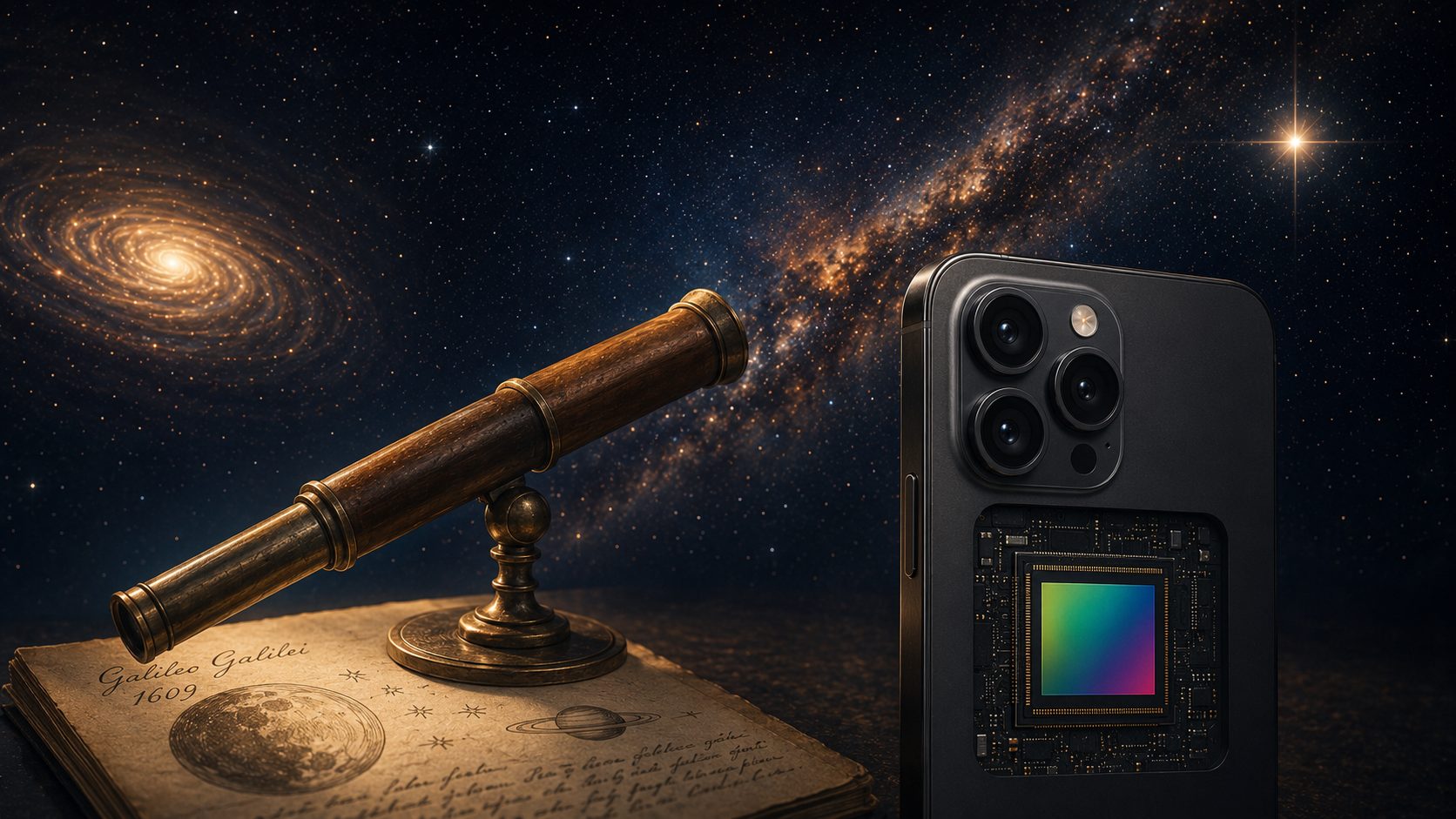
From Galileo's telescope to the CCD sensor born by accident and the CMOS chip now living in your smartphone — the real, nuanced story of four centuries spent learning to capture light.
Two young stars, a dance you can actually see, and the physics that reveals their mass
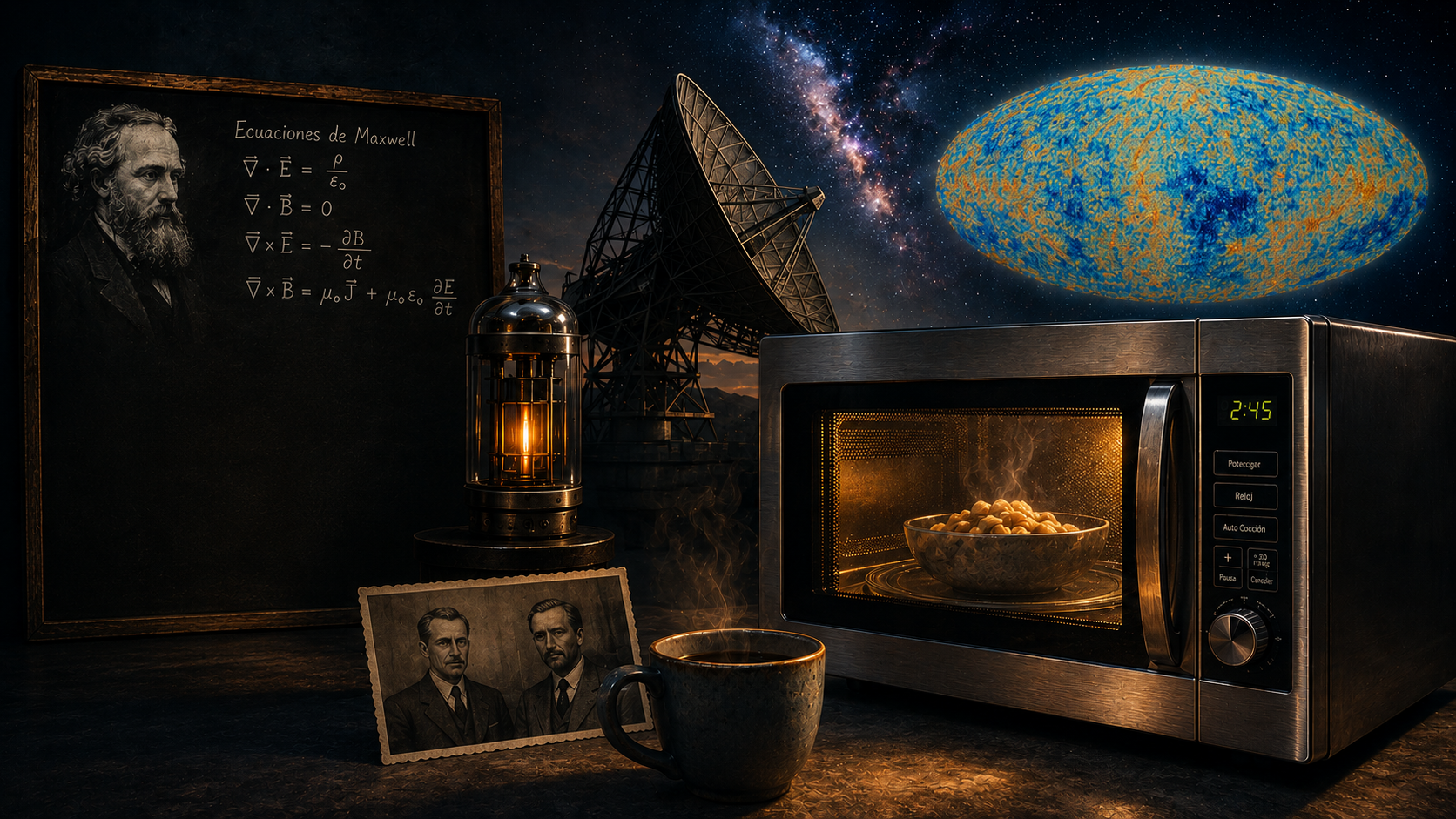
From Maxwell's equations to wartime radar and a melted chocolate bar — the real history behind the microwave oven also explains how scientists discovered the echo of the Big Bang.
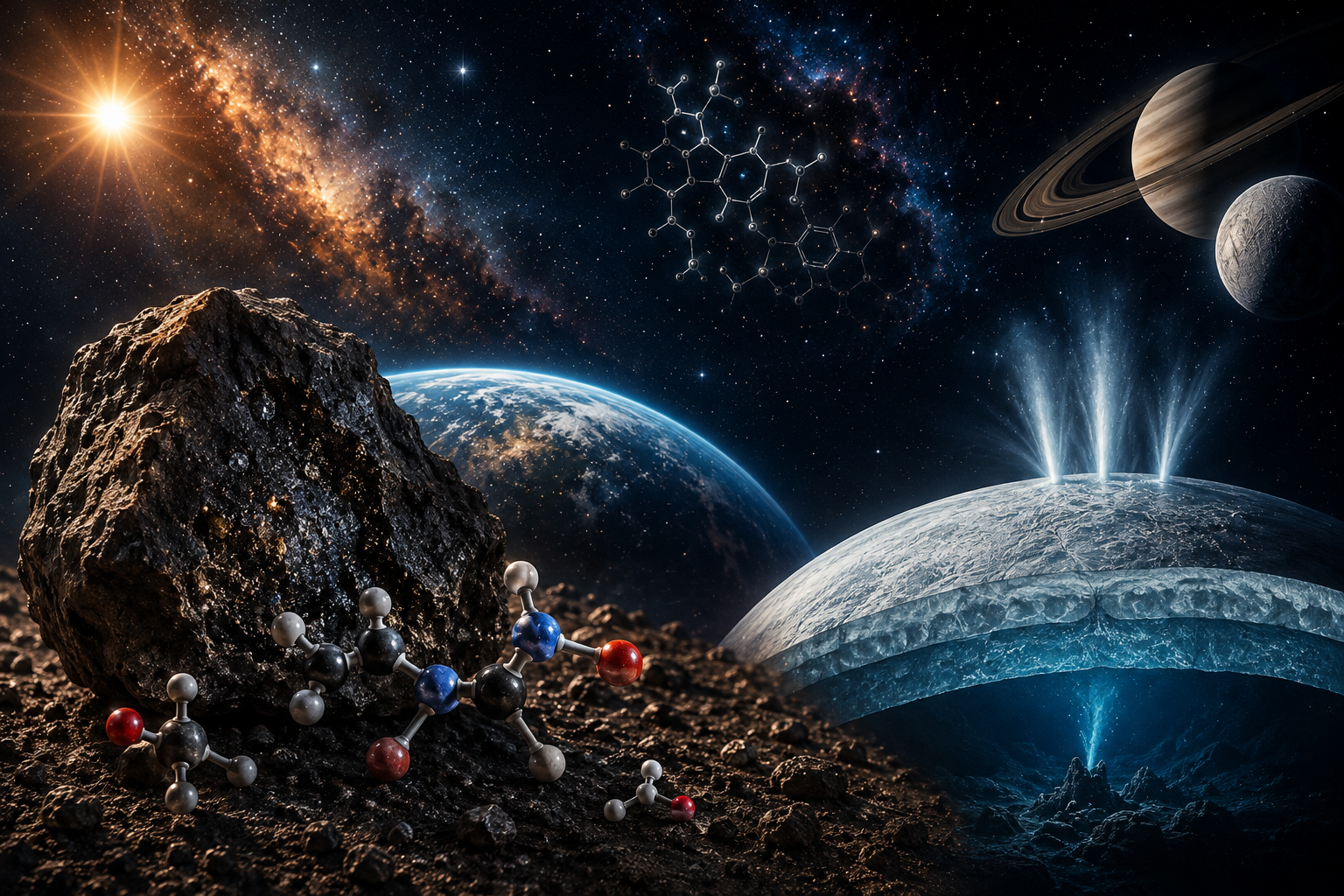
Amino acids in meteorites, an open debate over Earth's water, and the search for life on Europa and Enceladus. A clear look at what astrobiology has proven — and what remains speculation.
Hydrogen from the Big Bang, carbon forged inside stars, and gold born from colliding neutron stars — the verifiable physics behind the phrase "we are stardust."